
The ever-increasing problem of Potholes on our roads in the UK
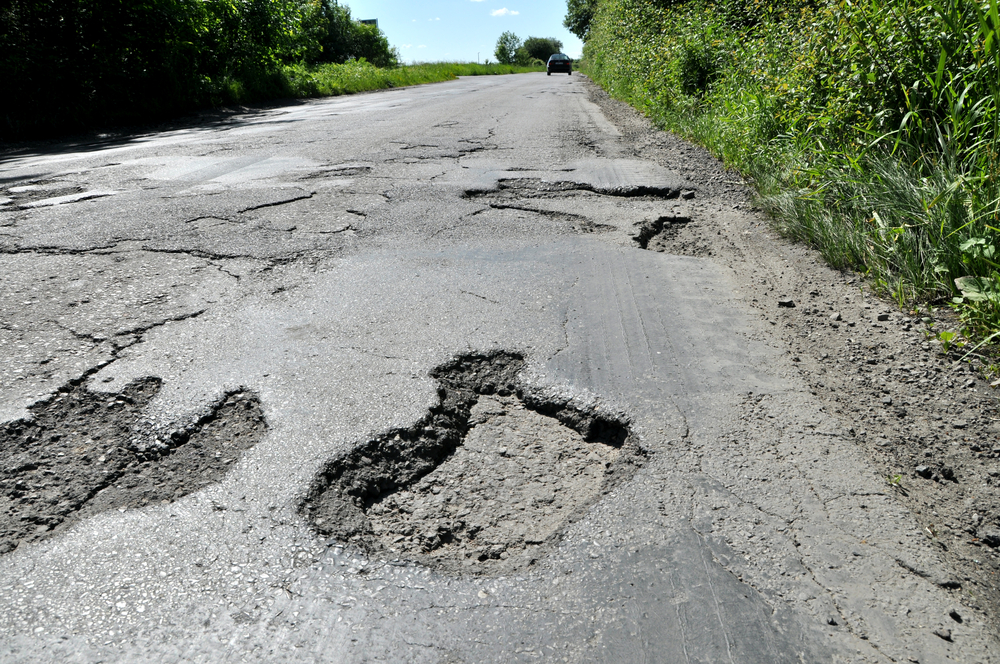
Potholes are becoming an increasingly pressing issue for both local authorities and residents. They not only cause damage to vehicles, leading to costly repairs, but also pose serious risks to cyclists and motorcyclists, whose safety is compromised by sudden dips and bumps in the road. This problem is often exacerbated by the UK’s fluctuating weather conditions, which cause road surfaces to expand and contract, leading to cracks and holes.
Efforts to address this issue have been ongoing, with councils allocating significant budgets for road maintenance and repairs. However, despite these efforts, the sheer volume of potholes and the speed at which they appear often outstrip the ability to repair them. The public has expressed frustration over the slow pace of repairs and the perceived inadequacy of temporary fixes, which in some cases may even worsen road conditions. Innovative solutions and preventive measures are being explored to tackle this problem more effectively. Investments in more durable road materials, timely maintenance, and community reporting systems are among the strategies being considered to reduce the impact of potholes on daily life in the UK.

Prime Minister Keir Starmer has announced that councils must demonstrate progress in fixing potholes or risk losing funding. Starting in mid-April 2025, local authorities in England will receive part of a £1.6 billion allocation for highway maintenance, with an additional £500 million available if necessary.
The Government claims this funding will enable the repair of over seven million potholes annually. Starmer also highlighted the safety concerns and financial costs caused by poor road conditions, urging councils to make effective use of the funds for the benefit of local communities. He emphasised that the public expects action, not just rhetoric.
Councils will be required to publish annual reports and earn public trust in order to receive full funding. Those that fail to meet the necessary criteria will lose 25% of the additional £125 million fund. In England and Wales, drivers encounter an average of six potholes per mile, with repairs costing an average of £600.
Transport Secretary Heidi Alexander has stated that addressing potholes, building essential infrastructure, and ensuring taxpayers see tangible results are top priorities.
Councils must show progress or risk losing 25% of their £500 million funding. The plan aims to repair damaged roads and improve safety for all road users, including motorists, pedestrians, and cyclists. Shadow Transport Secretary Gareth Bacon has criticised the government’s announcement, calling it a “pothole sticking plaster” and suggesting that Labour is focusing more on media attention than on actual road repairs.
Simon Williams from the RAC pointed out that drivers are demanding improvements to local roads and a reduction in potholes. He proposed linking funding to council progress reports on road repairs to ensure that government funds are being used effectively. While filling potholes is essential, he stressed the importance of preventing them in the first place through methods such as surface dressing.
How will the new reporting system work?
The Government has mandated that councils in England publish detailed reports on pothole spending by June 30th, 2025. These reports must include information on expenditure, the number of potholes repaired, road conditions, and efforts to minimise disruption for drivers.
Councils will also be required to show increased investment in long-term maintenance and provide plans to address the impact of harsher winters, which exacerbate pothole issues. By October, councils must demonstrate community involvement in decisions related to roadworks.
While this represents only a small step in a long process, it signals that pothole damage is now being tackled with adequate funding and organisation.