
Driving Safely During Winter 24/25
In the last few years, the UK has had some relatively mild winters, but this year, we are in for some significant cold spells with increased wet weather and heavy snowfalls in places. As drivers, we need to be prepared. The most important thing to remember is that if you are not confident enough to drive in snowy or icy weather, DON’T! But if you are, then it is important to take into account the tips below.
Check your car
If you know you are in for a particularly poor spell of adverse weather, then be prepared the night before. It would be wise to cover your windscreen if you do not have quick automatic screen defrosting to ensure your windows are clear before driving, as this is illegal and will land you a fine. Check that your battery, lights, brakes, and windscreen wipers are all working well before driving, and make sure that you have an emergency kit in the boot, with a blanket and water in case you are stranded for any amount of time. It is also wise to have a spare phone charger in the car.
Winter Tyres
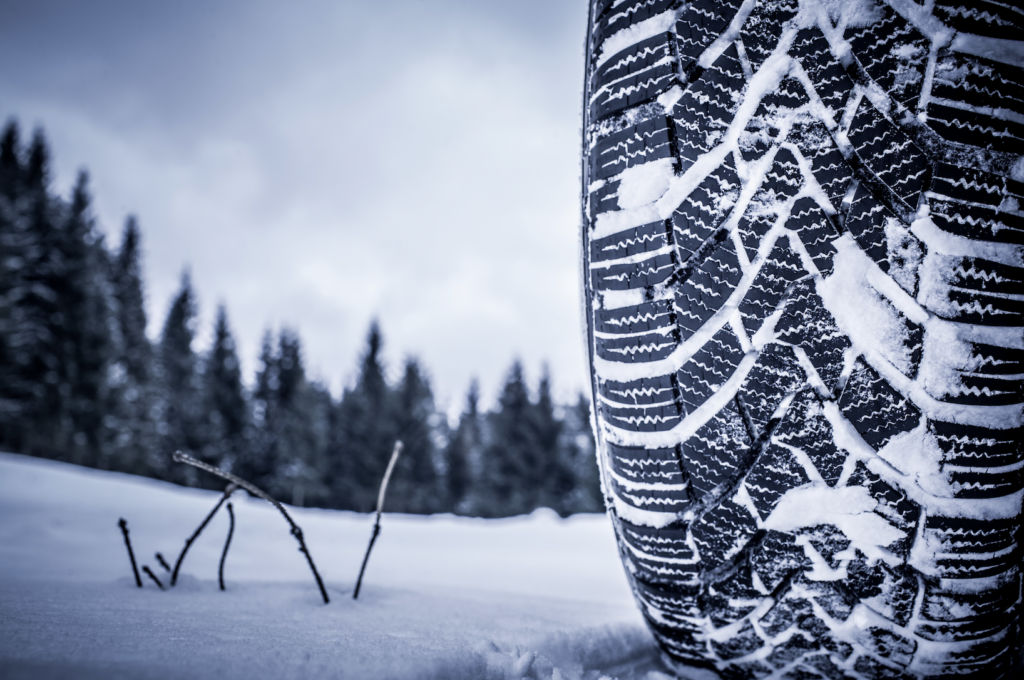
If you live in remote areas or villages that are often cut off in snowfall, then using winter tyres can provide better traction than regular tyres and make a huge difference in heavy snowfall. You can now purchase “Snow Socks,” which are temporary tyre covers that can be removed and can be a great help if snow falls unexpectedly. Tyre pressure is also significant when it comes to driving in snowfalls; severely under or over-inflation can cause issues.
Drive slowly
In heavy snowfall, always drive at a much lower speed and try to stay in the highest gear possible; this will give you the best traction and help avoid wheelspin. It is best to try and stay in the same line of traffic as the rest of the vehicles in front of you, as often the road will be slightly clearer, and if you veer into untouched snow, it may be hiding hidden potholes and ditches. The road may be slushy and wet, but it is better than skidding into the side of the road and causing damage.
Use headlights
If visibility is poor, it is wise to use headlights. Dipped headlights rather than full beams during a snowstorm will reduce glare and improve visibility without hindering other drivers.
Keep an emergency kit
An emergency kit in the boot can be a lifesaver, you will need:-
Warning triangle
Torch with extra batteries
Jumper cables
Blanket
Water
A bag of sand or cat litter will give extra grip if needed
Ice scraper and de-icer
Phone and charger
First Aid Kit
Warm coat/jumpers
Tissues
Non-perishable food
Plan ahead
Try to plan your journey ahead of time, especially if you know that poor weather is due. Stay on the main routes where possible, and tune into the local radio weather and traffic alerts to keep abreast of any road closures ahead of time.
Cautious Braking
Always make sure the braking distance between you and the car in front is at least ten times more than the braking distance in normal dry conditions. ABS systems will be activated much sooner in snow, and you will feel that the brake pedal is not going down as much as usual. A pulsating feel from the pedal is normal in snow as the ABS intervenes. It’s simply due to the fact that your tyres will reach their braking grip limit much sooner. Your vehicle is trying to help you. If you don’t have ABS, this isn’t necessarily a bad thing; you just need to be aware of this and be even more attuned to your braking and tyre grip – as anything more than a feather touch will lock the wheels, and you will have no steering control.
Calm Steering
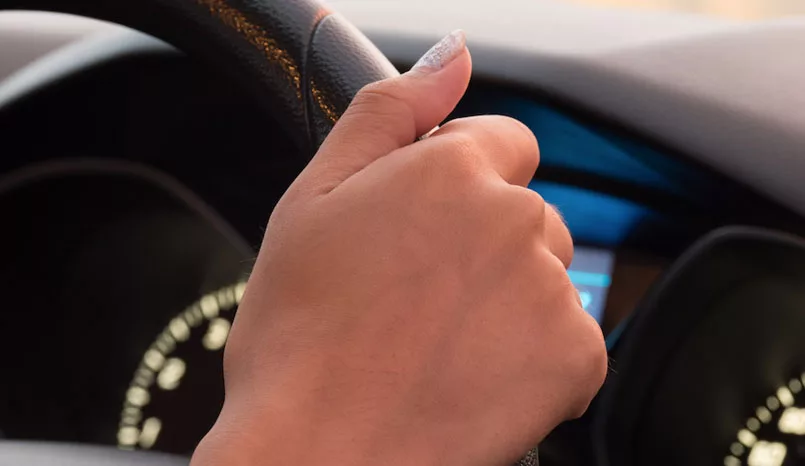
Calm and gentle steering are essential qualities for safe driving during heavy snowfalls. Keeping a firm grip on the steering wheel and looking and planning as far ahead as possible will help you no end.
We offer a winter driving course for drivers who want to increase their skills and safety when driving in poor conditions – learn more about this course here.